
Op-ed · Public governance · Policy implementation
Cannabis Governance in 2026: Policy Discipline Over Politics
Federal rescheduling is an opportunity, not a solution. The real test is whether our institutions can govern cannabis responsibly and equitably.
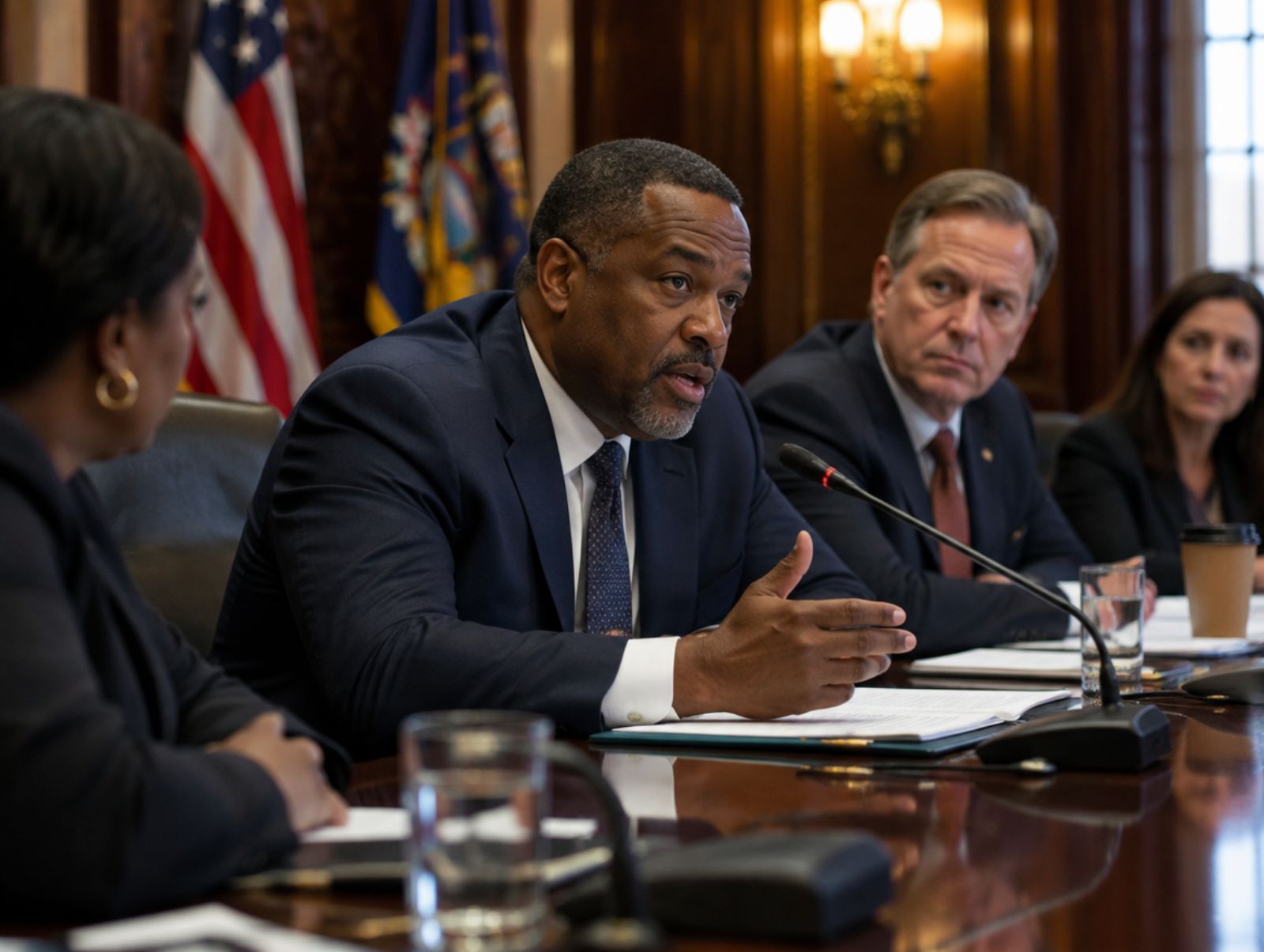
Cannabis policy is at a crossroads in the United States. On December 18, 2025, the White House issued an executive order directing the Department of Justice and related agencies to complete the process of rescheduling marijuana from a Schedule I to a Schedule III substance under the federal Controlled Substances Act—a shift with meaningful, yet often misunderstood, implications. (The White House)
This is not a sweeping legalization. It is, however, a signal of evolution in how federal policy engages a complex and rapidly changing reality.
Prohibition Didn’t Work—But Disorder Is Not the Answer
Across most of the country, cannabis markets and regulatory regimes have outpaced federal law. States have embraced medical programs and, in many cases, recreational legalization. Yet under federal law marijuana remains highly restricted—a contradiction that stymies research, complicates enforcement, and restricts access to basic financial and banking services. (Congress.gov)
The recent federal developments acknowledge that status quo contradiction. A move toward Schedule III is grounded in recognition of medical utility and reduced abuse potential, and it aims to catalyze expanded scientific research and regulatory clarity, particularly for cannabidiol (CBD) products. (The White House)
But policymakers and stakeholders should understand what this shift does and does not do:
- It does not legalize cannabis at the federal level. Marijuana products that lack FDA approval remain unlawful for interstate commerce or prescription. (State of Delaware News)
- Existing criminal penalties, banking prohibitions, drug testing protocols, and tax burdens on the cannabis industry remain largely intact unless future legislation explicitly alters them. (State of Delaware News)
- Regulatory tension remains high around hemp and CBD products, as federal law changes could recategorize certain products that previously flowed freely under the 2018 Farm Bill. (Debevoise)
So while federal rescheduling is a meaningful administrative development, the governance challenge remains broader than an administrative reclassification.
Implementation Matters: Regulatory Capacity Over Rhetoric
The policy community must avoid two pitfalls:
- Treating the 2025 executive action as policy completion, and
- Treating cannabis governance as solely a political or cultural issue.
Cannabis governance sits at the intersection of public health, criminal justice reform, economic development, and institutional capacity. States that see cannabis as a standalone issue are already grappling with regulatory bottlenecks and enforcement gaps; those that embed cannabis into broader public systems are progressing more effectively.
For example:
- A rescheduled federal status may reduce barriers for medical research, but only if federal agencies, universities, and private partners invest in clinical and translational studies. (The White House)
- Tax and banking reforms—long demanded by state regulators—still require statutory action from Congress; administrative reclassification alone cannot unlock full financial system participation. (State of Delaware News)
Equity Must Be Structural, Not Symbolic
Effective cannabis policy must also confront its embedded inequities. Decades of enforcement disproportionally affected Black and Brown communities, eroding trust in institutions that now seek to regulate the market. Legalization without proactive inclusion strategies risks perpetuating the same harms public policy sought to correct.
True equity means:
- Accessible capital structures for legacy and emerging operators
- Technical assistance that aligns with regulatory complexity
- Licensing frameworks that do not favor entrenched interests
- Measurable reinvestment pathways tied to local economic development
These are not political talking points; they are governance necessities.
The Federal Signal Is an Opportunity, Not a Solution
The executive order on rescheduling is significant because it retrains the spotlight on federal–state misalignment and creates space for regulatory modernization. But it also exposes gaps—between federal classification and state-level markets, between administrative action and legislative reform, and between rhetoric and real operational frameworks.
The real test for states, regulators, and public leaders is not whether federal policy has shifted—it’s whether our institutions are capable of governing cannabis responsibly, equitably, and with public confidence.
Cannabis policy is no longer a relic of moral debate. It’s a governance test. Success will go to those who treat it like one.